How Stress Raises Blood Sugar: The Cortisol Connection
The reason your numbers climb during a difficult month while your diet stays identical.
Can stress raise blood sugar?
Yes. Cortisol, the primary stress hormone, raises blood glucose by increasing hepatic glucose production and reducing peripheral insulin sensitivity — both intended to make fuel available during a threat. Acute stress raises glucose briefly; chronic stress keeps cortisol elevated, sustaining higher glucose output and contributing to insulin resistance over time.
Why a stress hormone raises glucose
The design makes sense once you see what it evolved for.
Acute stress historically meant a physical threat requiring immediate energy for muscles. Cortisol and adrenaline together make fuel available fast: the liver converts stored glycogen to glucose and manufactures new glucose from amino acids, while peripheral tissues become temporarily less insulin sensitive so that glucose stays in circulation for the muscles that need it.
That is an excellent response to a short crisis. The problem is that the same machinery activates for deadlines, financial worry, caring responsibilities and difficult relationships — none of which resolve in ten minutes and none of which involve running anywhere.
So the glucose is mobilised and never used, and the state persists.
The three routes cortisol takes
- Increased gluconeogenesis. The liver manufactures glucose from non-carbohydrate sources, raising output regardless of what you have eaten.
- Reduced peripheral insulin sensitivity. Muscle and fat tissue take up less glucose for a given amount of insulin.
- Increased appetite and altered food preference. Cortisol influences appetite regulation and is associated with preference for energy-dense food. So stress raises glucose directly and also changes what you eat.
Why this is not just theory
Anyone who monitors will have seen it. A difficult week produces higher readings with no change in diet, and the readings settle when the situation does.
It also appears in a specific clinical context: people given corticosteroid medication frequently see substantial glucose rises, sometimes enough to require treatment. That is cortisol's effect at pharmacological dose, and it demonstrates the mechanism unambiguously.
Cushing's syndrome, where the body produces excess cortisol, characteristically includes glucose intolerance among its features. Again, the same mechanism.
The arm most blood sugar formulas ignore
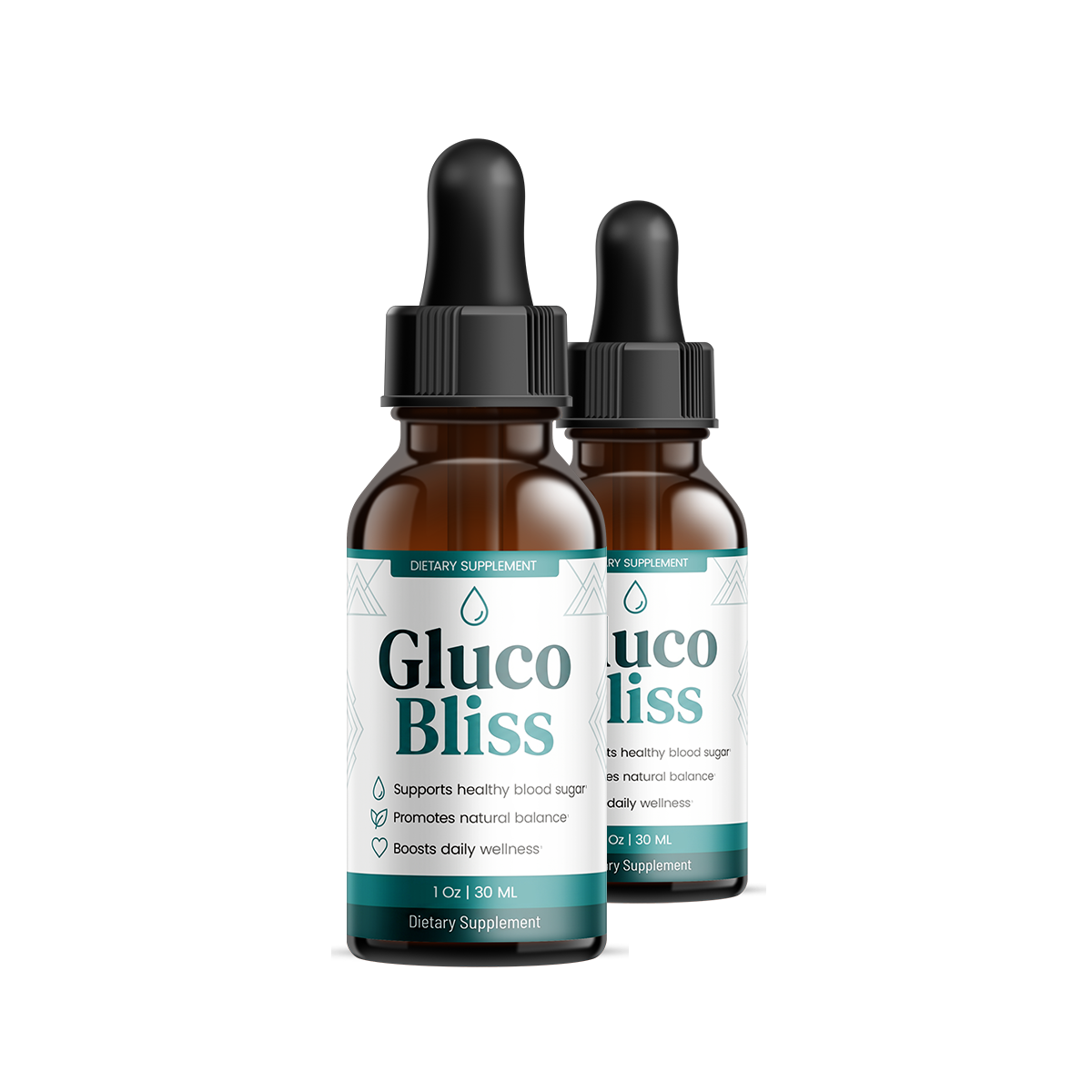
Maca is included in GlucoBliss for the cortisol pathway, not for direct glycaemic action.
Sleep is a stress input
This connection is underappreciated and it may be the most actionable part of this page.
Sleep restriction is a physiological stressor. Controlled studies have found measurable reductions in insulin sensitivity after only a few nights of restricted sleep in healthy people, alongside altered cortisol rhythms and changes in appetite-regulating hormones.
So the pathway runs: less sleep, higher cortisol, worse insulin sensitivity, higher glucose, plus increased appetite and preference for energy-dense food.
If you are working on your readings and sleeping six hours, sleep is probably a bigger lever than anything else available to you.
What actually reduces the effect
- Sleep, seven to nine hours consistently. Effects on insulin sensitivity are measurable within about a week. This is the highest-return intervention on this list.
- Regular aerobic exercise. Reduces resting cortisol over time and improves insulin sensitivity through a separate route. Note that very intense training without recovery is itself a stressor.
- Slow breathing practices. Extended exhalation increases vagal tone and reduces sympathetic activation. Ten minutes, and unlike most interventions the effect is immediate.
- Time outdoors and in daylight, which supports the circadian rhythm that cortisol follows.
- Reducing the input where possible. Obvious, frequently impossible, and still worth naming — not every stressor is a mindset problem.
- Social connection. Consistently associated with lower stress physiology and frequently the first thing to go when someone is under pressure.
- Caffeine moderation, particularly after early afternoon, since caffeine raises cortisol and degrades the sleep that regulates it.
The adaptogen question, honestly
Adaptogens are substances proposed to modulate the stress response rather than sedate or stimulate. Maca, ashwagandha and rhodiola are the commonly cited ones.
The evidence is genuinely mixed. The category definition is loose, trials are mostly small, and effect sizes vary considerably between studies. It would be dishonest to present this as settled.
The mechanistic rationale — that reducing cortisol reduces hepatic glucose output — is coherent. Whether a given adaptogen at a given dose does that reliably in humans is less clear.
Our position: worth considering as a small addition, not worth prioritising over sleep. Anyone selling you an adaptogen as a replacement for seven hours in bed has the ranking wrong.
Sources & further reading
- NIDDK — Stress, sleep and blood glucose.
- CDC — Sleep and chronic disease.
- American Diabetes Association — Psychosocial care and glycaemic outcomes.