GlucoBliss Ingredients
Six actives, each named individually, each with a published record you can check — and an honest grade for how strong that record actually is.
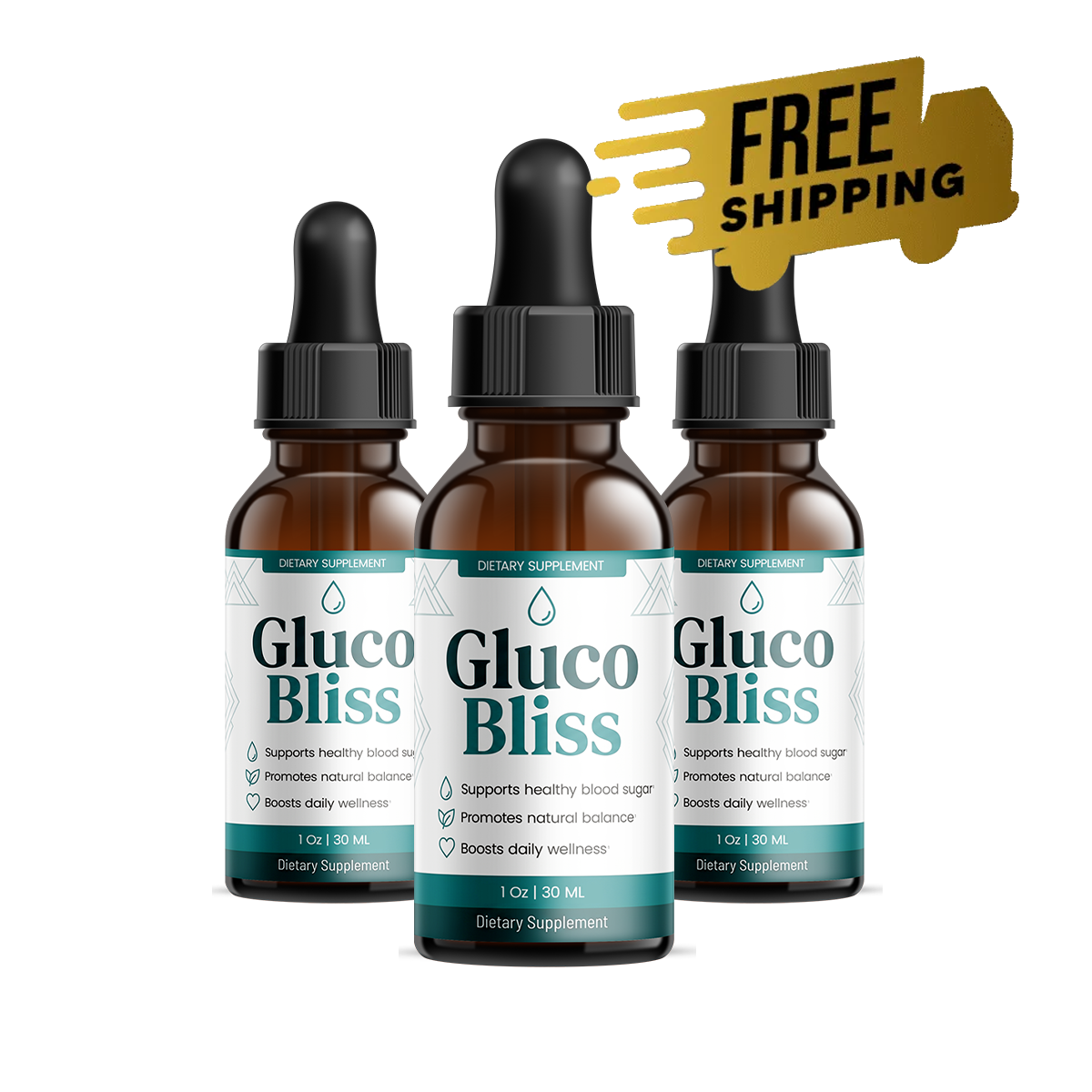
What are the ingredients in GlucoBliss?
GlucoBliss contains six actives: Chromium Picolinate, Gymnema Sylvestre Leaf Extract, African Mango Seed Extract, Green Tea Leaf Extract, Maca Root Extract and Panax Ginseng Aerial Extract. All six are named individually on the supplement facts panel rather than grouped in a proprietary blend, so each can be researched independently. Several have documented interactions with diabetes and anticoagulant medication.
On this page
Why full disclosure matters
A proprietary blend lists several ingredients under one total weight in descending order of quantity, without disclosing individual amounts. It is legal, extremely common in this category, and it lets a manufacturer include a trace of an impressive-sounding botanical purely for label appeal.
GlucoBliss does not use one. Every compound is named separately, which means you can look each one up against the doses used in published research rather than trusting a summary written by the seller.
We will also grade the evidence honestly below, including where it is weak. A page that rates all six ingredients as excellent is not an information page.
Evidence at a glance
| Ingredient | Primary rationale | Evidence strength | Key interaction |
|---|---|---|---|
| Chromium Picolinate | Insulin receptor signalling | Moderate — strongest in low-status individuals | Additive with glucose-lowering drugs |
| Gymnema Sylvestre | Glucose absorption, sweet taste | Moderate — long use, small modern trials | Additive with glucose-lowering drugs |
| Green Tea Leaf | Catechins, enzyme inhibition | Moderate — large literature, modest effects | Liver signal at high dose; some drug interactions |
| Panax Ginseng | Muscle glucose uptake | Preliminary to moderate | Warfarin; additive glucose-lowering |
| Maca Root | Adaptogenic, cortisol pathway | Preliminary — indirect rationale | Few documented; thyroid caution debated |
| African Mango Seed | Leptin, adiponectin signalling | Weak — small trials, methodological criticism | Few documented |
Chromium Picolinate
An essential trace mineral whose biological relevance is specifically to insulin action. Historically described through the glucose tolerance factor; more recent work examines effects on insulin receptor signalling and on chromodulin.
The nuance that matters most, and which the NIH Office of Dietary Supplements states directly: results from supplementation trials have been inconsistent, and benefit appears concentrated in people with low chromium status. In people already replete, adding more does not reliably improve glycaemic markers.
That is not a criticism of the ingredient. It is the same deficiency-correction pattern seen across nutritional supplementation, and it is the single most useful thing to know before forming expectations.
The picolinate form is chelated to picolinic acid, improving absorption over inorganic chromium salts.
Interaction: may add to the effect of glucose-lowering medication. This is the most important interaction in the formula.
Gymnema Sylvestre Leaf Extract
Known as gurmar in Ayurvedic practice — literally sugar destroyer. Gymnemic acids are structurally similar enough to glucose to occupy sweet taste receptors, temporarily abolishing sweet perception on contact. It is a genuinely peculiar effect and you can verify it yourself.
In the intestine, the same structural similarity has been studied for competing with glucose at absorption sites. There is also research examining effects on pancreatic beta-cell function, though claims about regenerating beta cells go beyond what human evidence supports and we will not repeat them.
Modern trials are mostly small and of varying quality. The traditional use record is long; the modern evidence base is moderate rather than strong.
Interaction: studied for glucose-lowering effects. Combined with diabetes medication, this is a genuine hypoglycaemia consideration.
Green Tea Leaf Extract
Standardised for catechins, principally EGCG. The broader literature on green tea and metabolic health is substantial, covering antioxidant activity, cardiovascular markers, thermogenesis and postprandial glycaemia.
Mechanistically relevant here: catechins have been studied for inhibiting alpha-glucosidase and alpha-amylase, the enzymes converting starch to absorbable glucose, and for effects on insulin sensitivity. Human effect sizes on glycaemic markers are modest.
The safety point that deserves stating: concentrated green tea extracts — not brewed tea — carry a documented signal for liver injury in a small number of case reports, which has prompted regulatory attention in some jurisdictions. The risk appears related to high doses of concentrated extract, particularly taken fasted. Anyone with liver disease should avoid concentrated green tea extract, and anyone developing unexplained fatigue, abdominal pain, dark urine or jaundice should stop and see a doctor.
Panax Ginseng Aerial Extract
Ginsenosides have been studied for effects on glucose uptake into muscle tissue, with some work pointing at AMPK activation — a pathway that increases glucose uptake partly independently of insulin.
A specific detail worth knowing: this is the aerial extract — leaf and stem — rather than the root. The two carry different ginsenoside profiles, and most of the well-known ginseng research used root extract. Applying root-extract findings directly to an aerial extract is a step that should be made carefully, and we would rather flag it than pass over it.
Interactions: documented interaction with warfarin, where ginseng may reduce anticoagulant effect. Also potential additive glucose-lowering, and stimulatory effects that can interact with caffeine and some psychiatric medications.
Maca Root Extract
Lepidium meyenii, a cruciferous root from the Peruvian Andes, used traditionally for energy, stamina and fertility.
Its inclusion here is not about direct glycaemic action, and any page claiming otherwise is stretching. The rationale is the cortisol pathway: chronic stress raises cortisol, cortisol raises hepatic glucose output and reduces peripheral insulin sensitivity, and an adaptogen is proposed to modulate that response.
The adaptogen literature is genuinely mixed, definitions are loose, and trials are mostly small. We would call the evidence preliminary and the rationale coherent — which is a fair description rather than a dismissal.
Caution: maca is a cruciferous plant containing glucosinolates, and there is a debated theoretical concern about thyroid function at high intakes in people with iodine deficiency. Anyone with thyroid disease should mention it to their doctor.
African Mango Seed Extract
Irvingia gabonensis. This is the ingredient where we depart most sharply from how the category usually presents things.
The proposed mechanism concerns leptin sensitivity and adiponectin — adiponectin being an adipose-derived hormone that improves insulin sensitivity and falls as visceral fat rises. That is a real and interesting pathway.
The evidence, however, is the weakest of the six. The human trials are few, small, short, and largely originate from a single research group, and the literature has attracted methodological criticism. Independent replication is limited.
We include this assessment because a reader deserves to know which parts of a formula rest on solid ground and which do not. If African mango were the headline ingredient, we would be considerably more cautious about the whole product.
What is deliberately absent
- No proprietary blend. Every compound named individually.
- No sulfonylurea-like compounds. Some adulterated blood-sugar supplements have been found by the FDA to contain undeclared pharmaceutical glyburide or metformin. That is a real and documented problem in this category and a reason to buy only through verifiable channels.
- No added stimulants beyond the caffeine naturally present in green tea extract.
- No habit-forming compounds. Stopping produces no withdrawal.
The interaction summary
Consolidated, because this is the part that matters most:
- Diabetes medication — metformin, sulfonylureas, GLP-1 agonists, SGLT2 inhibitors, insulin. Additive glucose-lowering risk. Speak to your prescriber first. This applies to gymnema, chromium and ginseng.
- Warfarin and anticoagulants — ginseng interaction documented.
- Liver disease — avoid concentrated green tea extract.
- Thyroid disease — mention the maca to your doctor.
- Surgery within two weeks — discuss stopping beforehand.
- Pregnancy and breastfeeding — not recommended.
Frequently asked questions
Are exact milligram amounts published?
Each ingredient is named on the supplement facts panel of the bottle you receive, which is the authoritative document. We do not publish batch-specific amounts on the site, and by our own evaluation standards that is a fair criticism.
Which ingredient has the strongest evidence?
Chromium for the nutritional link to insulin action, and green tea for breadth of literature. Gymnema has the longest traditional record. African mango has the weakest evidence base.
Can I get these from food?
Partly. Chromium occurs in broccoli, whole grains and meat; green tea catechins in brewed tea. Gymnema, African mango and Panax ginseng are not practically obtainable from an ordinary diet.
Is green tea extract safe?
Brewed tea is not the concern. Concentrated extracts carry a documented liver injury signal in rare case reports, particularly at high doses taken fasted. Anyone with liver disease should avoid them.
Sources & further reading
- NIH Office of Dietary Supplements — Chromium fact sheet for health professionals.
- NCCIH — Green tea, Asian ginseng and gymnema herb-at-a-glance monographs.
- LiverTox, National Institute of Diabetes and Digestive and Kidney Diseases — Green tea extract.
- US FDA — Tainted supplements: undeclared pharmaceutical ingredients in blood sugar products.
- Cochrane Library — Chromium supplementation for glycaemic control.