GlucoBliss Side Effects & Interactions
The page we would rather you read before the pricing page. The risks here are interactions, not toxicity — and one of them is serious.
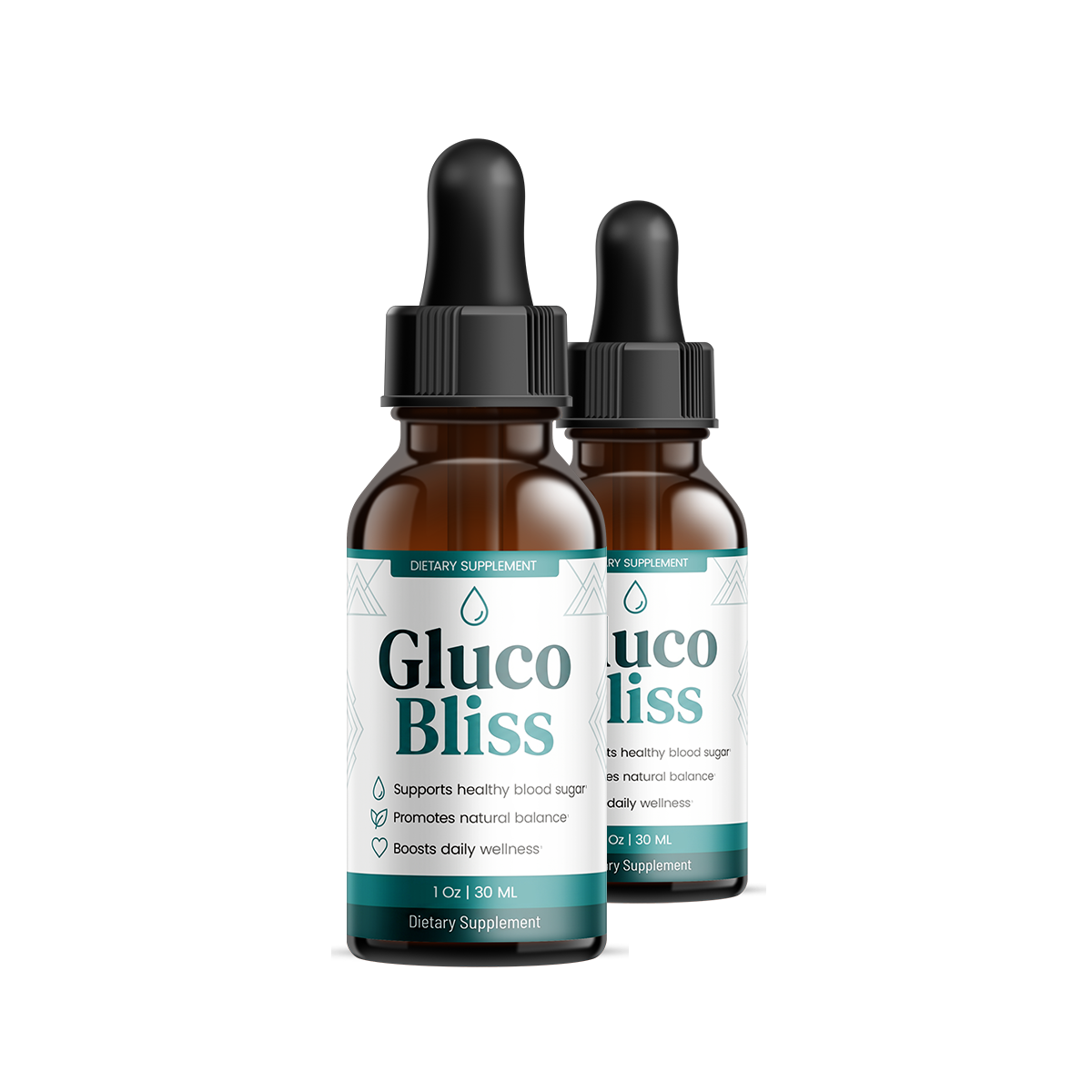
Does GlucoBliss have side effects?
GlucoBliss uses naturally derived ingredients and significant side effects have not been widely reported. The genuine risks are interactions rather than toxicity. Gymnema, chromium and Panax ginseng have all been studied for glucose-lowering effects, so taken alongside diabetes medication they can contribute to hypoglycaemia. Concentrated green tea extract carries a rare liver injury signal, and ginseng interacts with warfarin.
On this page
Why this page exists
Most supplement side-effect pages are written to reassure. This one is written to inform, because the interaction profile here is real and one item on it can genuinely hurt someone.
The ingredients themselves have good tolerability records. Nobody is describing a toxicity problem. The issue is what happens when compounds studied for lowering blood glucose are added on top of medication prescribed to do exactly the same thing.
The main risk: hypoglycaemia
Three of the six ingredients — gymnema, chromium and Panax ginseng — have been studied for glucose-lowering effects. Individually those effects are modest. Stacked on top of metformin, a sulfonylurea, a GLP-1 agonist, an SGLT2 inhibitor or insulin, they can contribute to blood glucose falling further than intended.
Sulfonylureas and insulin carry the highest hypoglycaemia risk of the common diabetes medications, so the combination matters most there.
Know the symptoms before you start: shakiness, sweating, rapid heartbeat, sudden intense hunger, irritability or confusion, blurred vision, dizziness, pallor. Severe hypoglycaemia can cause seizures and loss of consciousness and is a medical emergency.
What to do: if you take glucose-lowering medication, tell your prescriber before starting this or any similar supplement. They may want you monitoring more frequently for the first few weeks. Do not adjust your medication yourself — that decision belongs to the person who prescribed it.
Green tea extract and the liver
Brewed green tea is not the concern here. Concentrated green tea extracts have been associated with rare cases of liver injury, documented in case-report literature and catalogued in LiverTox. The pattern appears related to high doses of concentrated extract, particularly taken on an empty stomach, and susceptibility may have a genetic component.
The absolute risk from a modest dose within a multi-ingredient formula is low. It is not zero, and it is not something we will pretend does not exist.
Who should avoid it: anyone with existing liver disease, and anyone taking other hepatotoxic medication without medical advice.
Stop and see a doctor if you develop unexplained fatigue, loss of appetite, abdominal pain, nausea, dark urine, pale stools or yellowing of the skin or eyes.
Reduce the risk: take it with food rather than fasted.
Ginseng and anticoagulants
Panax ginseng has a documented interaction with warfarin, where it may reduce anticoagulant effect and therefore INR control. Anyone on warfarin should not add this without their anticoagulation clinic knowing.
Ginseng also has stimulatory properties in some people, which can compound with caffeine and can affect sleep. And there are documented interactions with certain psychiatric medications including MAOIs.
The rest, briefly
- Chromium is well tolerated at typical supplement doses. Rare reports of kidney and liver effects exist at very high chronic intakes. Anyone with kidney disease should seek advice.
- Gymnema may cause mild gastrointestinal upset in some people. It also blunts sweet taste, which some find unpleasant.
- Maca is generally well tolerated. It contains glucosinolates, and there is a debated theoretical thyroid concern at high intakes in people with iodine deficiency.
- African mango has reports of headache, flatulence and sleep disturbance in trials.
- The liquid base may contain glycerin or alcohol depending on formulation. Check the label if you avoid alcohol for medical, religious or recovery reasons.
Who should not take GlucoBliss
- Anyone under eighteen.
- Pregnant or breastfeeding women.
- Anyone with type 1 diabetes, without specialist advice — the hypoglycaemia consideration is sharper here.
- Anyone taking insulin or a sulfonylurea, without their prescriber's knowledge.
- Anyone on warfarin or other anticoagulants, without medical supervision.
- Anyone with liver disease.
- Anyone with significant kidney impairment, without advice.
- Anyone scheduled for surgery within two weeks.
How to start sensibly
- Talk to your doctor or pharmacist first if you take any prescription medication. Bring the ingredient list — that is what makes the conversation useful, and it is why full disclosure matters.
- If you monitor, monitor more closely for the first two to three weeks, not less.
- Take it with food rather than fasted, which reduces the green tea extract consideration.
- Know the hypoglycaemia symptoms and keep fast-acting carbohydrate available if you take medication that can cause them.
- Log your readings and bring them to your next appointment.
- Stop and seek advice if you have repeated low readings, or any of the liver symptoms listed above.
Frequently asked questions
Can GlucoBliss cause low blood sugar?
On its own in people not taking glucose-lowering medication, that is unlikely. Combined with diabetes medication, several ingredients may have additive effects and hypoglycaemia becomes a genuine consideration. Speak to your prescriber first.
Is it safe with metformin?
This is a question for your doctor or pharmacist, who can see your full medication list and monitoring history. Do not start without asking.
Should I stop before surgery?
Discuss it with your surgical team. Two weeks is a common general recommendation for supplements affecting glucose or bleeding time.
What if I get symptoms?
Stop taking it and speak to a healthcare professional. For symptoms of severe hypoglycaemia or liver injury, seek urgent medical attention.
Sources & further reading
- LiverTox, NIDDK — Green tea extract hepatotoxicity.
- NIH Office of Dietary Supplements — Chromium: safety and interactions.
- NCCIH — Asian ginseng: safety and drug interactions.
- American Diabetes Association — Hypoglycaemia: recognition and management.
- MedlinePlus — Drug and supplement interaction information.