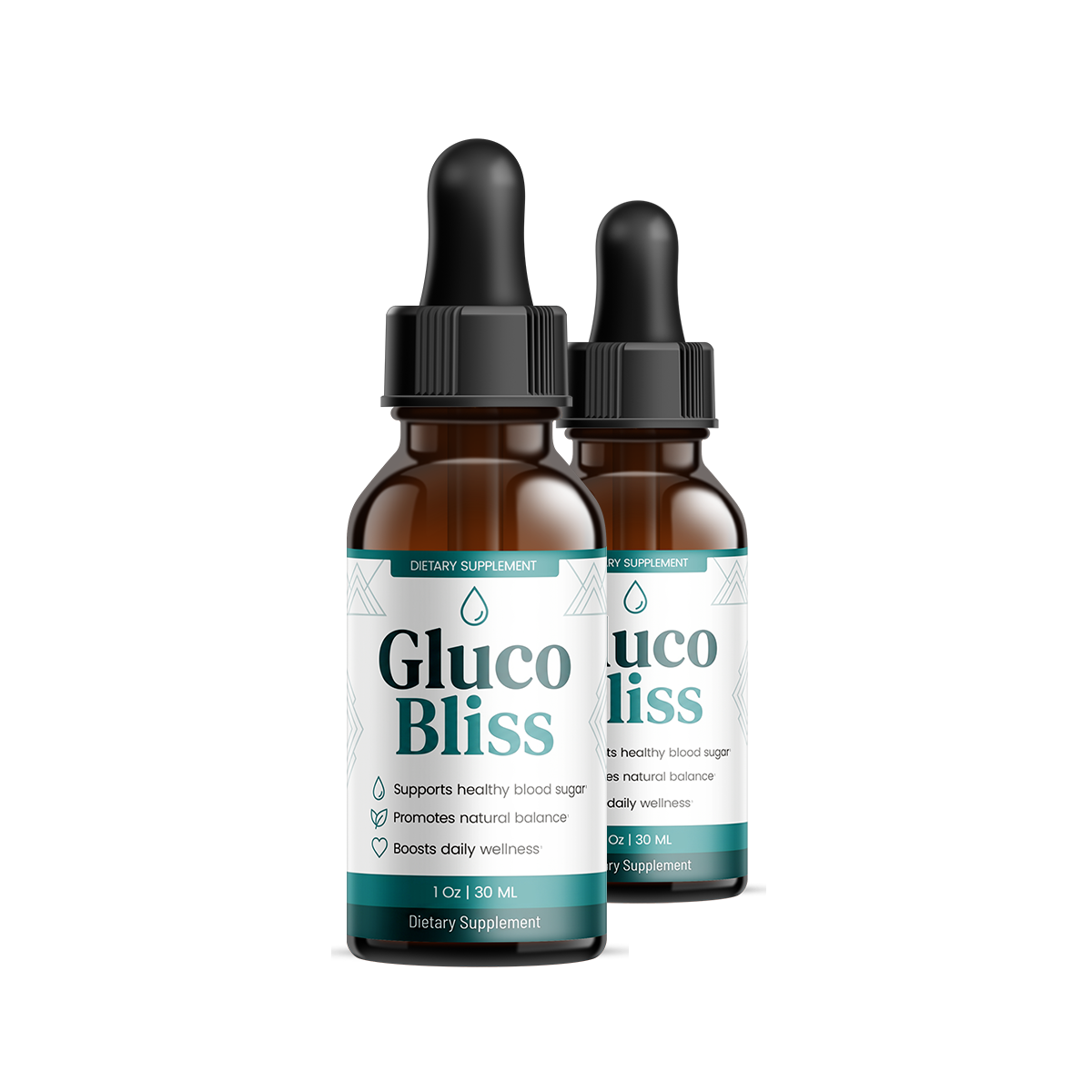
GlucoBliss Review: What My Endocrinologist Said About The Label
I took the label to my endocrinologist before ordering. Her answer was ingredient by ingredient, not yes or no.
Grace A.
Should I ask my doctor before taking GlucoBliss?
Yes, particularly if you take any prescription medication. Gymnema, chromium and Panax ginseng have documented glucose-lowering effects that can compound with diabetes medication. Ginseng also interacts with warfarin, and concentrated green tea extract is a consideration in liver disease. A physician or pharmacist can assess the ingredient list against your full medication history.
Why I asked a specialist rather than my GP
I see an endocrinologist annually for a thyroid condition, and I happened to have an appointment scheduled. I take levothyroxine and a statin.
I brought the printed ingredient list. Her first comment was that she wished more patients did this, and that most people tell her about supplements only after something has gone wrong.
Her view, ingredient by ingredient
Chromium: the most positive. She described the link to insulin action as real physiology and said the trace mineral rationale is sound. Her caveat was the one this site also makes — that the response is largest in people with low status, and that status is not routinely tested, so most people are supplementing blind.
Gymnema: she knew the sweet-receptor effect and considered the absorption research plausible if modest. Her practical concern was for patients on medication, not for me.
Green tea extract: she wanted my liver function checked, which it was and it was normal. She noted that the hepatotoxicity signal is rare, is associated with high-dose concentrated extract particularly taken fasted, and that in a multi-ingredient formula at modest dose the absolute risk is low but non-zero.
Panax ginseng: her most cautious. She flagged the warfarin interaction, which is not relevant to me, and noted that stimulatory effects vary considerably between people.
Maca: she was interested that I raised it, because of my thyroid. Her view was that the theoretical glucosinolate concern is genuinely theoretical and largely relevant to iodine deficiency, but she wanted my thyroid function rechecked at three months rather than twelve. It was unchanged.
African mango: she was dismissive, and said the evidence base is thin and largely from one group. This site says the same, which she was mildly surprised by.
Take the ingredient list to your doctor
All six actives are named individually, which is what makes that conversation possible.
What she said about the product overall
Roughly: the ingredients are plausible, the doses matter and are not published, and none of it will do as much as losing weight and walking after meals.
She had no objection to me trying it for a defined period with defined measures, and preferred that to me taking something indefinitely on the basis of feeling.
She also said something I found useful: that she would rather patients took a product with a disclosed formula and a published interaction list than one of the proprietary blends people bring her where nobody can tell what is in it. Her exact framing was that she can at least have a conversation about this one.
The thing she was firmest about
That nothing about a supplement result changes a prescription.
She said she sees patients who start something, feel better, and quietly reduce a medication, and that this is how avoidable harm happens. She wanted me to understand that if my numbers improved, that would be a conversation to have with her, not a decision to make myself.
That is the single most important thing anyone reading this should take from it.
My result, for completeness
Seventy-eight days. Two-hour post-meal readings down about 1.0 mmol/L. Cravings noticeably reduced. Thyroid function unchanged at recheck. Liver function unchanged.
I also started walking after dinner on her advice, which she was clear would do more than the supplement. I suspect she was right and I cannot separate the two.
Pros and cons
What worked
- Disclosed formula meant a specialist could actually assess it
- Chromium's rationale was assessed as sound physiology
- Post-meal readings down about 1.0 mmol/L over eleven weeks
- Thyroid and liver function unchanged at recheck
What did not
- Undisclosed doses limited what she could assess
- She rated African mango's evidence as poor
- She was clear that walking and weight loss would do more
- I started walking simultaneously, confounding my result
The verdict
My endocrinologist assessed this ingredient by ingredient rather than delivering a verdict: positive on chromium, cautious on ginseng, wanting baseline liver and thyroid checks, and dismissive of African mango. She approved a defined trial with defined measures, wanted a three-month thyroid recheck, and was emphatic that nothing about the result changes a prescription. The disclosed formula is what made the conversation possible.
Sources & further reading
- NIH Office of Dietary Supplements — Chromium.
- LiverTox, NIDDK — Green tea extract.
- NCCIH — Asian ginseng: interactions.
- American Diabetes Association — Complementary approaches: position.