GlucoBliss Complaints: The Five Criticisms That Come Up Most
Published on the seller's own site, because a review page with no criticisms tells you only that criticisms were removed.
Editorial
What are the most common complaints about GlucoBliss?
The most frequently raised criticisms are that results take longer than the marketing implies, that ingredient doses are not published before purchase, that the two-bottle kit is poor value at sixty-one percent more per bottle, that the countdown timers and anchor pricing undermine credibility, and that the finished formula has no clinical trial of its own.
Why this page exists
A review section containing only positive feedback tells a reader exactly one thing: that negative feedback was filtered. Everyone knows this, which makes uniformly positive review pages actively counterproductive.
So here are the five criticisms that come up most, with an honest assessment of each.
Complaint 1: it takes longer than the marketing implies
The complaint: promotional material creates an expectation of rapid change, and most people notice little for four to eight weeks.
Our assessment: fair. Direct-response marketing across this whole category conditions people to expect fast results, and this formula does not work that way. Chromium's contribution depends on repleting status over weeks. The adaptogenic arm is slower still.
The exception is the craving effect from gymnema, which is often noticeable inside two weeks and is why cravings are usually the first thing people report.
What we do about it: we state four to eight weeks throughout the site and we recommend against the two-bottle kit for exactly this reason. We would rather lose the sale than process the refund.
Complaint 2: ingredient doses are not published
The complaint: all six actives are named, which is better than a proprietary blend, but the quantities are only on the bottle. You cannot assess dose adequacy before spending money.
Our assessment: fair, and by our own published standards. Our scam-or-legit page tells readers to check whether they can see every ingredient with a quantity. We do not fully pass our own test.
The related point technical readers raise is that chromium research spans a wide dose range and gymnema trials use varying standardisations, so without numbers you are trusting rather than evaluating.
What we do about it: we acknowledge it rather than deflecting. The supplement facts panel on the bottle is the authoritative document.
Complaint 3: the two-bottle kit is poor value
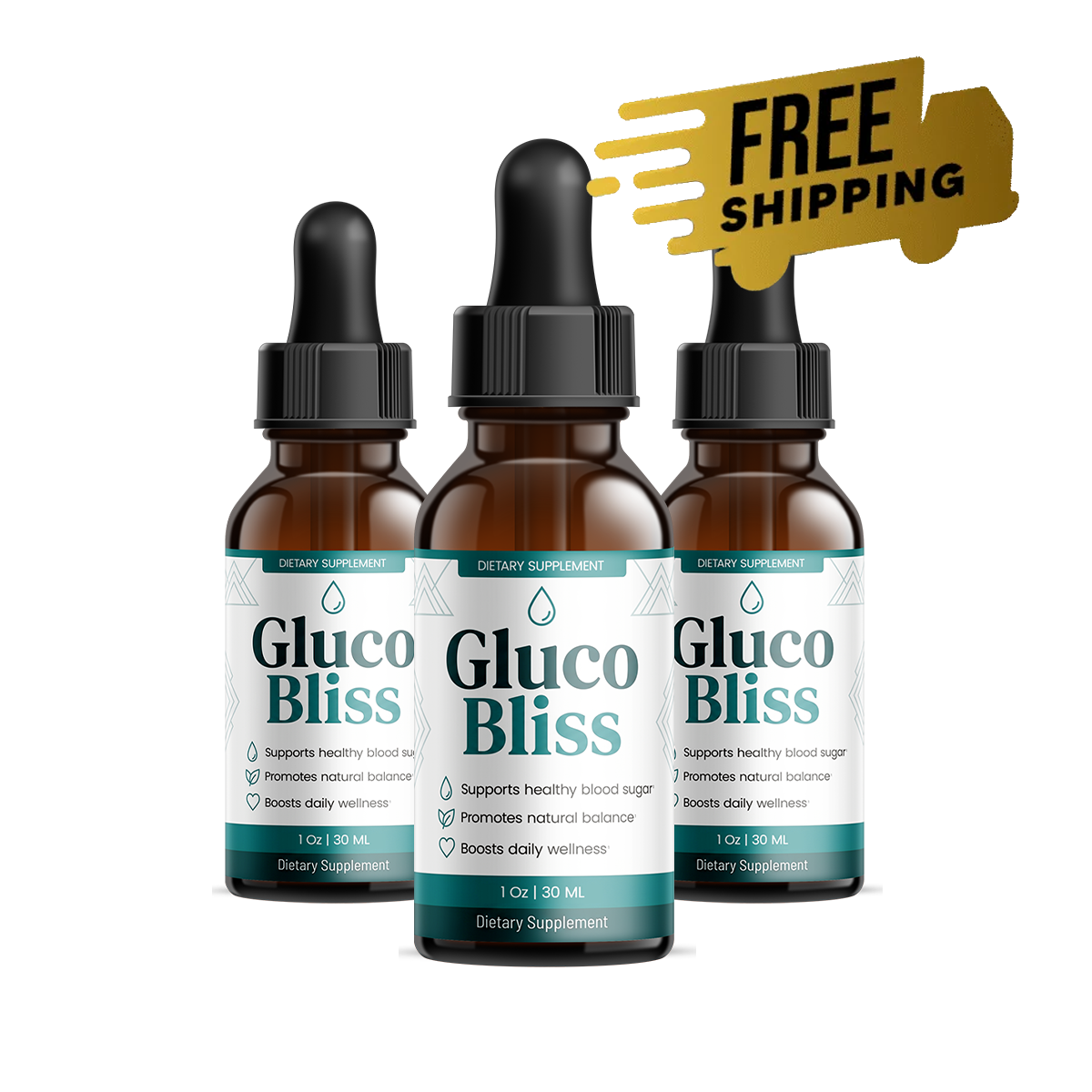
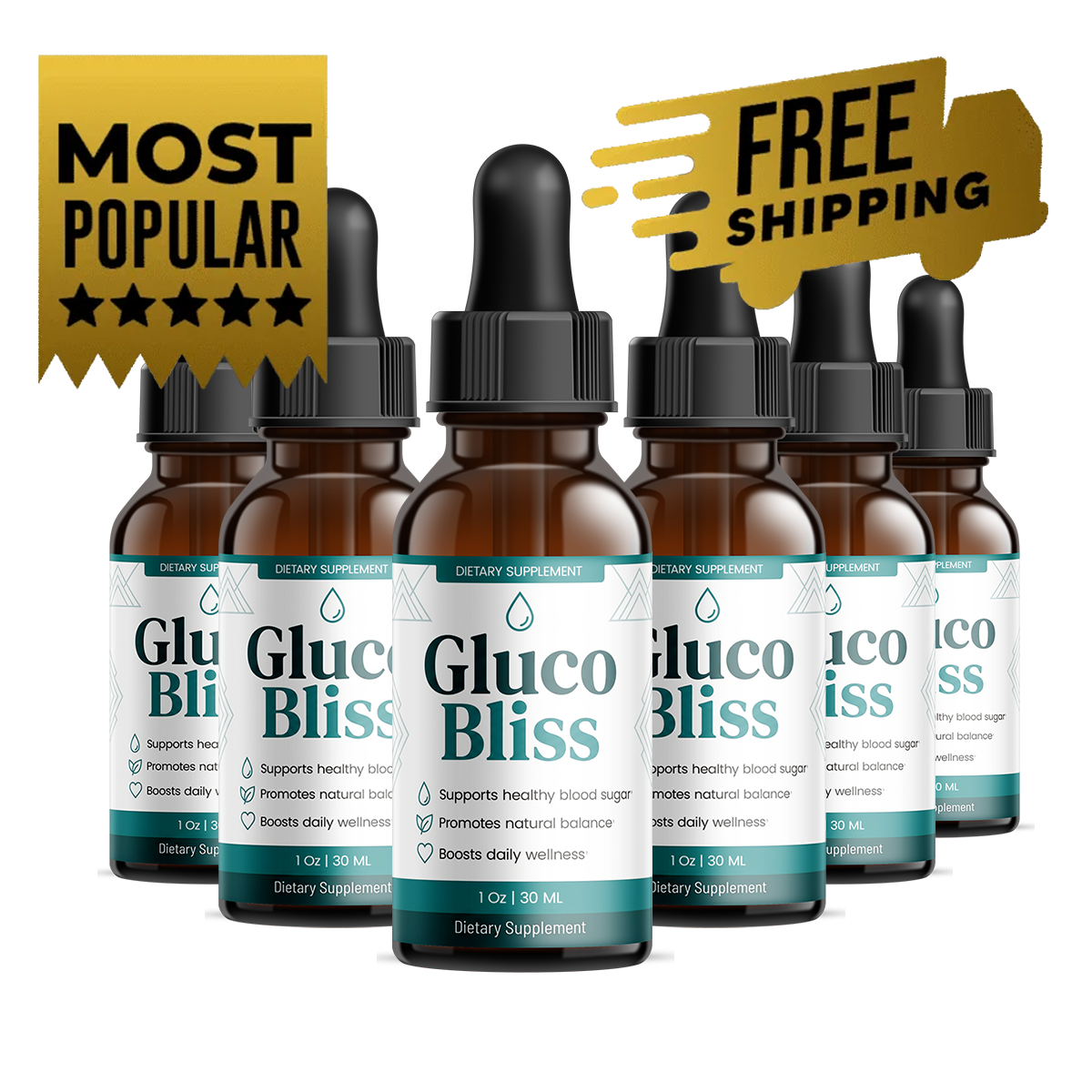
The complaint: at $79 per bottle against $49 on the six-bottle kit, the starter option costs sixty-one percent more, charges shipping separately, and excludes all six bonuses.
Our assessment: entirely fair, and we agree. Sixty days barely covers the refund minimum plus the reported change window, with shipping eating into it.
What we do about it: we say so on the price page, the discount page and the order page. The only scenario where we would recommend it is checking tolerance before committing.
Read the terms, then decide
Pricing, timeline and interaction details are all published before you order.
Complaint 4: countdown timers and anchor pricing
The complaint: struck-through prices nobody has recently paid, timers that reset, and stock warnings. Several thoughtful reviewers have said the formula is more defensible than the promotion around it.
Our assessment: fair, and awkward for us. Our discount page explains anchoring as a technique while the pricing cards continue to display anchors. That is an inconsistent position and a reader is right to notice it.
What we do about it: we tell readers on the discount page to ignore the anchors and compare cost per day instead. We recognise that is a partial answer.
Complaint 5: no trial of the finished formula
The complaint: the ingredients have research; the product does not. There is no randomised controlled trial of GlucoBliss as formulated.
Our assessment: entirely accurate. This is true of the overwhelming majority of multi-ingredient supplements, which does not make it less true here.
What we do about it: we state it on the homepage, the ingredients page, the scam page and the disclaimer. The evidence on this site is ingredient-level, not product-level, and we would rather say so than let a reader assume otherwise.
Two complaints we think are not fair
That it does not lower fasting glucose much. This is presented as a failure and it is actually the mechanism behaving as described. Gymnema and green tea act on absorption; fasting glucose is governed largely by overnight hepatic output. Post-meal readings are where you would expect to see change.
That it did nothing for someone with already-normal markers. This is the deficiency-correction pattern that runs through nutritional supplementation generally. It is a reason to assess whether you are a candidate before buying, not evidence the product is fraudulent.
What we would say to a prospective buyer
If any of the five above is a dealbreaker, we would rather you knew now. The timeline in particular is worth deciding about before ordering rather than at day twenty.
Pros and cons
What worked
- All six actives named individually rather than hidden in a blend
- Timeline stated honestly at four to eight weeks throughout
- Interaction and hypoglycaemia warnings published above the pricing
- Criticisms published on the seller's own site
What did not
- Ingredient doses not published before purchase
- Anchor pricing persists while being criticised elsewhere on the site
- Two-bottle kit is 61% more per bottle and excludes bonuses
- No randomised controlled trial of the finished formula
The verdict
All five of the most common criticisms are fair and we agree with them. The timeline is structural to the mechanism. The undisclosed doses fail our own published standard. The two-bottle kit is poor value. The anchor pricing is inconsistent with what we tell readers elsewhere. And the finished formula has no trial of its own, which we state repeatedly rather than hoping nobody notices.
Sources & further reading
- FTC — Health products compliance guidance.
- US FDA — Dietary supplement labelling and claims.
- NIH Office of Dietary Supplements — Chromium: dose-response evidence.