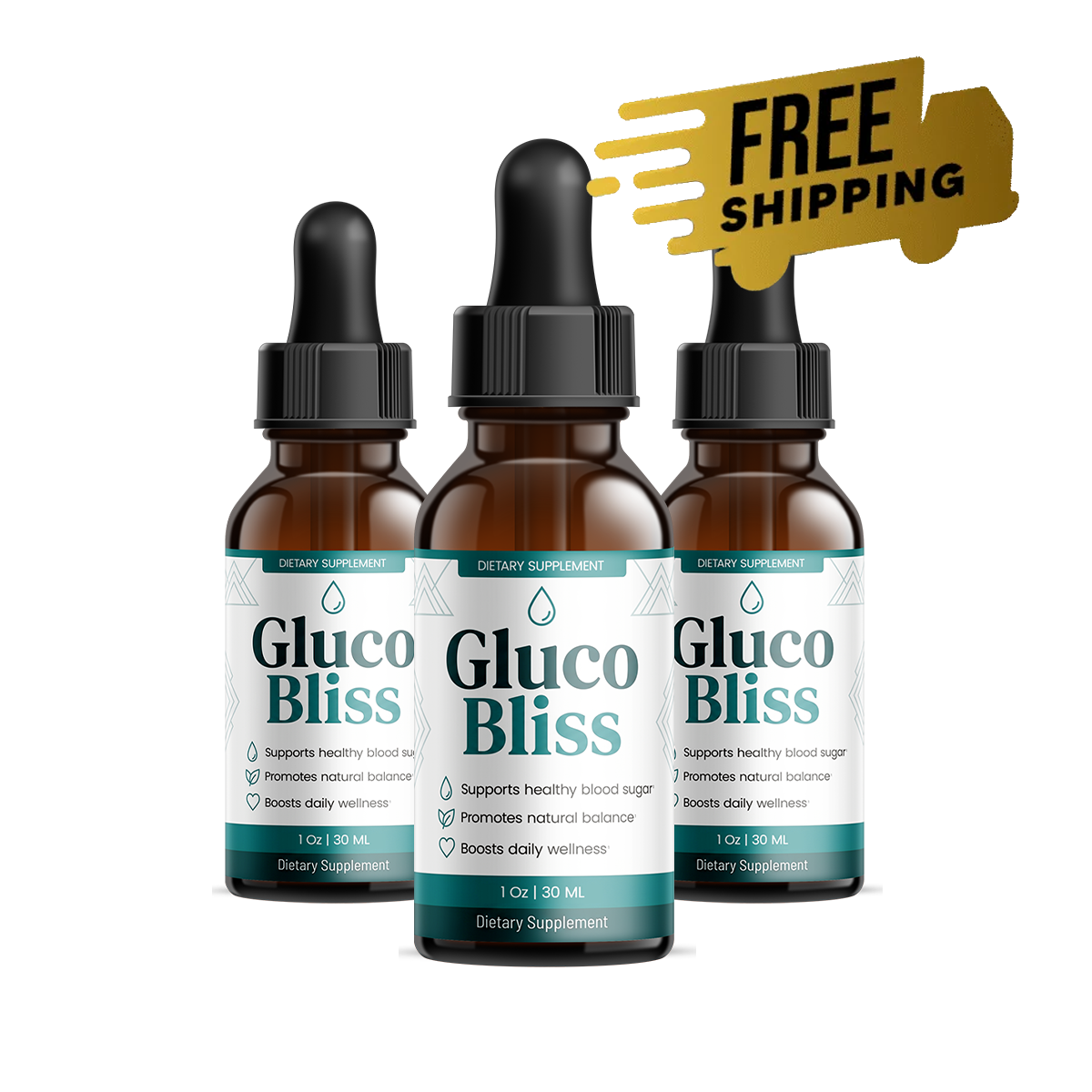
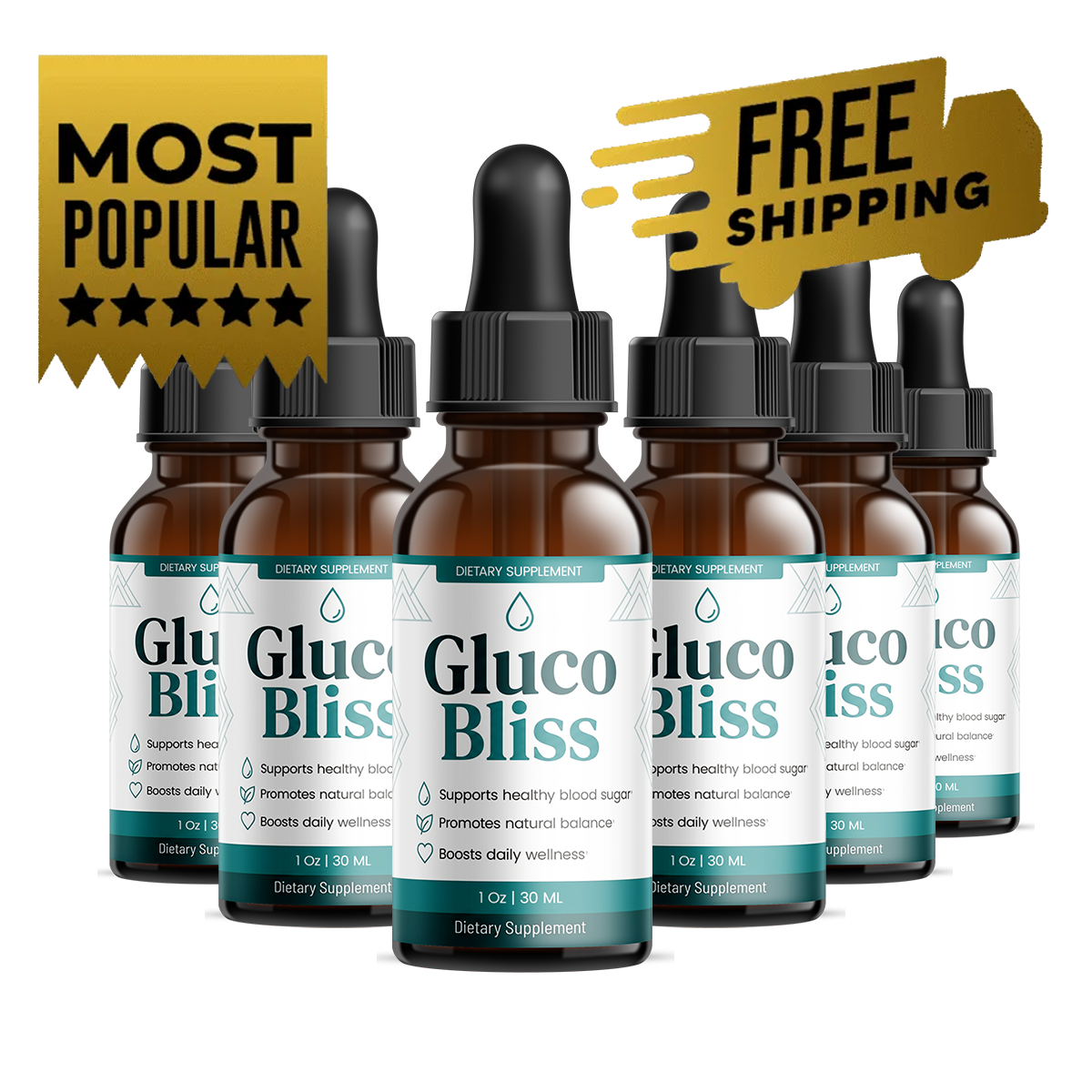
A Sceptic's GlucoBliss Review: I Expected It To Do Nothing
I bought it planning to write a negative review. The result was more complicated than that, in both directions.
Dr. Alan H.
Does GlucoBliss actually work or is it marketing?
GlucoBliss contains ingredients with genuine published research, particularly chromium's established role in insulin action and gymnema's effects on sweet perception and glucose absorption. The finished formula has not undergone its own randomised controlled trial, so evidence is ingredient-level rather than product-level. Reported effects are modest and cluster around reduced cravings and flatter post-meal readings.
My priors going in
I work in a research-adjacent field and my default assumption about direct-response supplements is that the marketing does the work and the formula is incidental.
The things that put me off before buying: struck-through anchor prices bearing no relation to any transacted price, a countdown timer, and a category with a documented history of adulteration.
I bought it because the ingredient page was more candid than the promotion around it, which is an unusual combination and one I wanted to test.
What the formula gets right
Credit where due, and this surprised me.
Full disclosure. All six actives named individually. That immediately puts it ahead of a large share of this category, where proprietary blends are the norm specifically to prevent evaluation.
Chromium is a real thing. Its involvement in insulin action is established physiology, not invented mechanism. The NIH Office of Dietary Supplements chromium fact sheet covers it directly.
Gymnema's sweet-receptor effect is demonstrable and the intestinal absorption research is real, if modest.
The site grades its own ingredients honestly. It describes African mango's evidence as weak, notes the methodological criticism, and says the finished formula has no trial of its own. I checked that claim expecting to find it buried and found it stated in three separate places.
It publishes the hypoglycaemia interaction warning above the pricing. I have read a lot of blood sugar supplement pages and that is rare.
Check the formula yourself
All six actives are named individually on the ingredients page with evidence graded openly.
What it does not get right
Doses are not published. The panel is on the bottle, which means you cannot assess dose adequacy before purchase. Chromium research spans a wide dose range and gymnema trials have used varying standardisations. Without numbers, you are trusting rather than evaluating.
The chromium caveat cuts deep. Benefit concentrates in people with low baseline status. Most people have no idea what their chromium status is and it is not routinely tested. So for a meaningful share of buyers, the ingredient with the best rationale may be doing very little.
Anchor pricing and timers. The site's own discount page acknowledges anchoring as a technique while the pricing cards continue to display it. That is an odd position to hold.
Aerial ginseng is not root ginseng. Most ginseng glycaemic research used root extract. The site flags this, to its credit, but the flag does not resolve the issue.
My measured results
I logged two-hour post-meal readings after a fixed standard breakfast, three times weekly, starting three weeks before I began.
Baseline mean: 8.9 mmol/L, standard deviation about 0.6.
Day 62 mean: 7.9 mmol/L, standard deviation about 0.5.
That is a one point drop, roughly 1.7 baseline standard deviations, and outside what I would call noise.
I cannot attribute it confidently. I was not blinded, I knew what I expected, and expectancy affects behaviour around food in ways that are hard to control for. But the direction and magnitude were not what I predicted, and reporting only results that confirm my priors would make this review worthless.
What I still think
The marketing deserves the scepticism it attracts. The formula is more defensible than the promotion around it, which is an unusual arrangement and probably reflects a reasonable product wrapped in category-standard advertising.
The effect, if real, is modest. A one point drop in a post-meal reading is worth having and is not a transformation.
My single unblinded data point proves nothing generalisable. I am reporting it because withholding a result that contradicted my expectation would be dishonest, not because it demonstrates anything.
What would change my assessment substantially: published dose disclosure, and a trial of the finished formula. Neither exists.
Pros and cons
What worked
- Fully disclosed formula, no proprietary blend
- Chromium's mechanism is established physiology, not invented
- Site states plainly that the finished product has no trial
- My post-meal average dropped 1.0 mmol/L, beyond baseline variation
What did not
- Doses not published before purchase — cannot assess adequacy
- Chromium benefit likely limited if your status is already normal
- Anchor pricing persists on cards while being criticised on another page
- Aerial ginseng extract differs from the root used in most research
The verdict
The formula is considerably more defensible than the marketing surrounding it, which is not what I expected. Chromium's role in insulin action is established, gymnema's mechanism is demonstrable, and the site is unusually candid about which of its own ingredients have weak evidence. My measured post-meal average dropped a full point, which I report as an unblinded anecdote rather than as evidence. Undisclosed doses remain my main criticism.
Sources & further reading
- NIH Office of Dietary Supplements — Chromium fact sheet.
- NCCIH — Gymnema and Asian ginseng monographs.
- Cochrane Library — Chromium supplementation for glycaemic control.
- US FDA — Tainted products marketed as dietary supplements.